AI-Powered Open Banking Integration
Enable secure bank connectivity, real-time financial data access, and seamless payment experiences with robust open banking API integration.
Talk to Our FinTech Expert






Open banking needs the right strategy to avoid delays, security gaps, integration issues, compliance risks, and scalability problems in financial software development.
Enable secure access to user bank accounts, balances, and transaction history across multiple financial institutions with open banking API integration.
Build seamless bank-to-bank payment experiences with real-time payment initiation directly from your platform.
Implement secure, user-controlled consent flows that align with regulatory standards and ensure transparent data sharing.
Integrate with multiple banks, aggregators, and financial institutions while managing differences in API standards and performance.
Access and process financial data in real time to power insights, analytics, and intelligent decision-making within your fintech product.
Protect sensitive financial data with strong encryption, tokenization, and secure authentication mechanisms across all API interactions.
Build compliant solutions with support for PSD2 API integration and other regional open banking regulations.
Create flexible middleware and integration layers tailored to your product architecture and scalability requirements.
Ensure reliability with robust error handling, logging, and monitoring systems for continuous performance optimization.
Design integration systems that scale with growing users, transactions, and expanding financial service offerings.

Disbursed and Managed through ECF Fiscal
Sponsorship Platform
Faster Reporting with Xero API
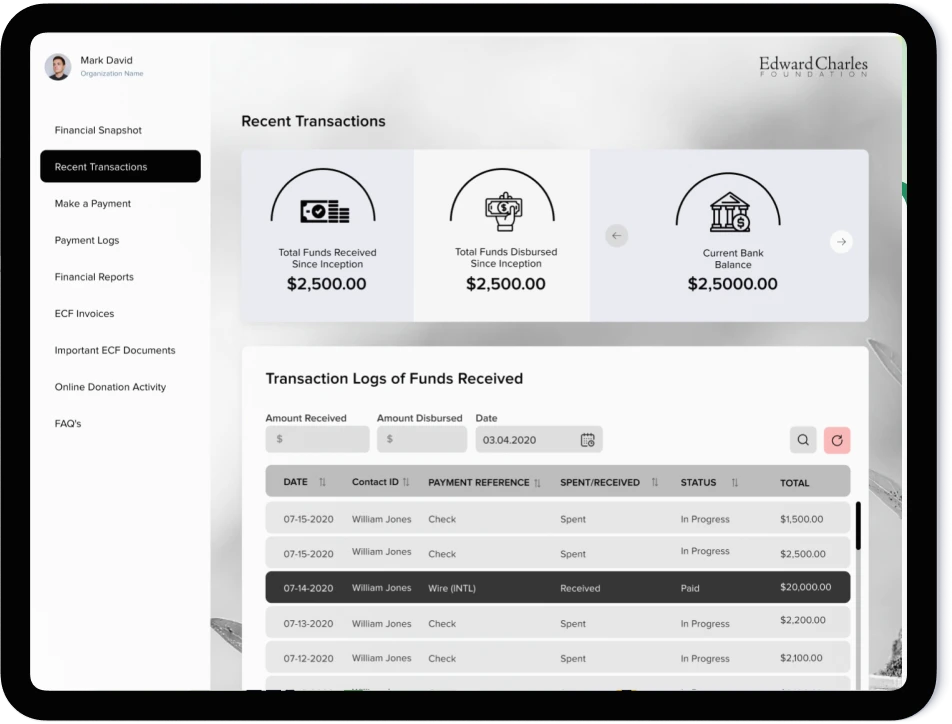

Increased in donor engagement and participation
More accurate donor insights for better targeting
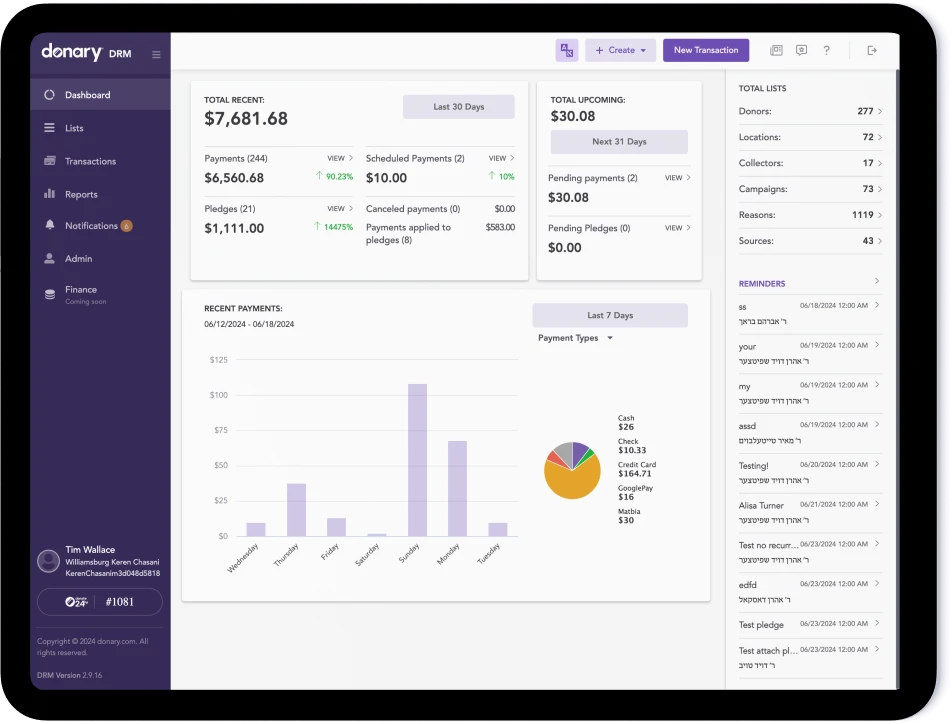

Improvement in Risk Assessment
Faster income verification process
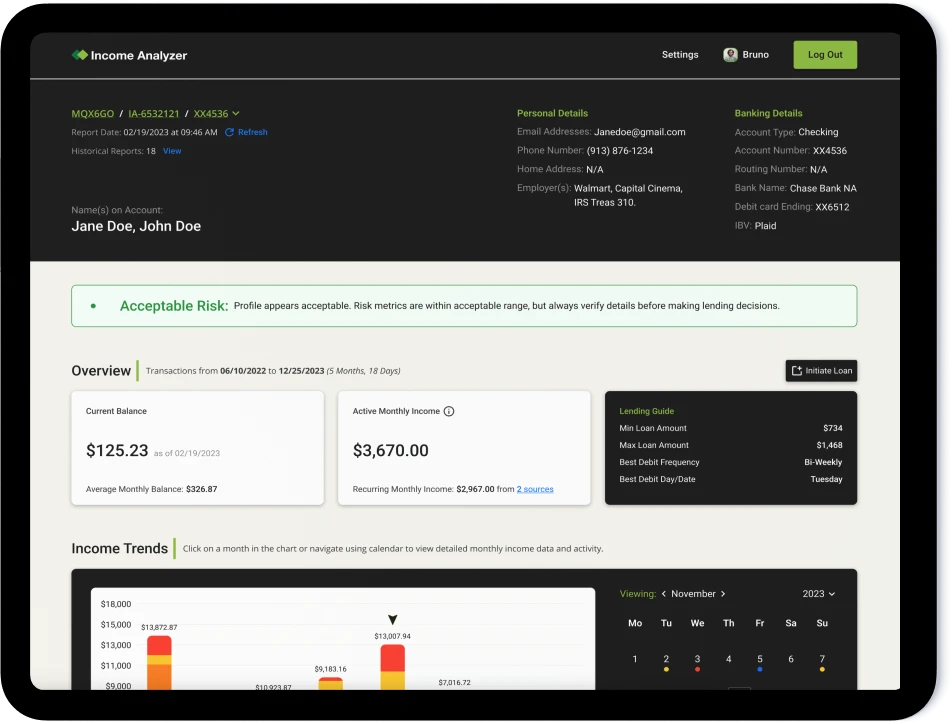

Success rate in global payment acceptance
Reduction in fraudulent transactions
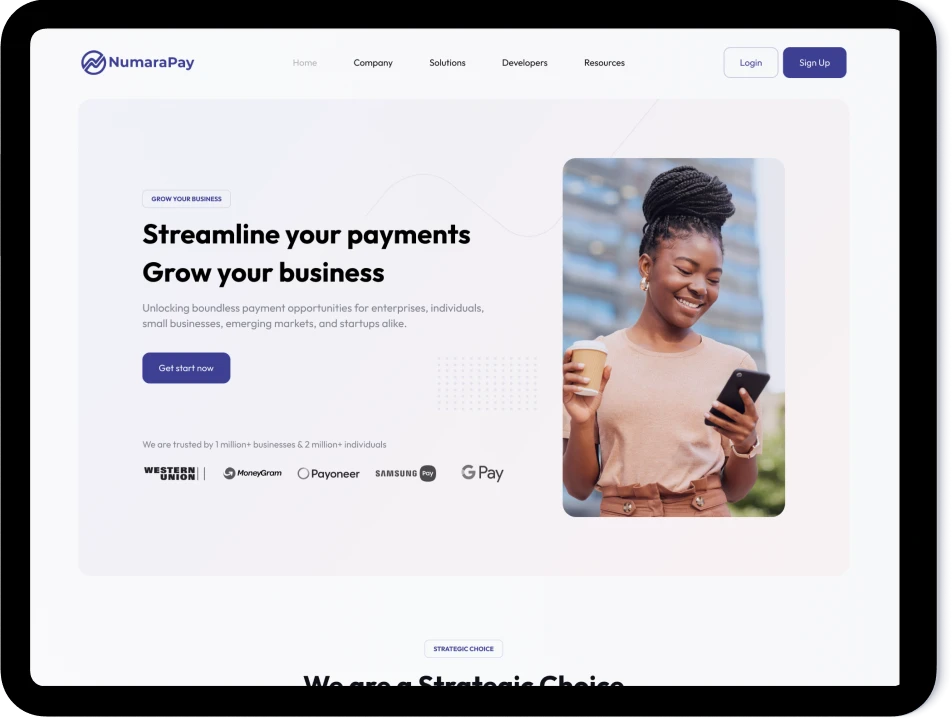
Building open banking API integration requires a clear approach to bank connectivity, consent management, security, compliance, and financial data integration as fintech products scale. Our approach ensures timely delivery and long-term flexibility across financial ecosystems.
Dedicated oversight keeps integration priorities aligned across banking connections, security requirements, and product delivery goals.
API workflows, consent models, authentication layers, and data exchange requirements are defined early to support consistency and scalability.
Integration systems are designed for secure data access, high availability, and reliable performance across open banking environments.
Progress, dependencies, risks, and integration performance are tracked clearly throughout implementation and platform growth.



CEO, Donary

Operations & Donor/Client Relations, Edward Charles Foundation


Owner, DMA Associates LLC


Director & Founder, Careless
CEO, Donary
Operations & Donor/Client Relations, Edward Charles Foundation
Owner, DMA Associates LLC
Director & Founder, Careless

Chief Executive Officer, NumaraPay
















A connected integration layer that links banks, fintech platforms, and third-party services to support secure data exchange and payment initiation.
Connects account, balance, and transaction data securely across supported banking networks.
Enables secure and compliant access to financial data and payment capabilities through standardized API connections.
Supports connected payment experiences by linking open banking flows with gateway-based transaction infrastructure and broader payment system development needs.
Integrates transaction and account data into analytics, reporting, and customer-facing financial applications, enabling advanced use cases with AI in fintech solutions.
Manages user permissions, authorization flows, and secure access control across banking integrations.
Delivers real-time financial data access to support credit assessment, loan workflows, and decision-making.
Extends banking connectivity into mobile apps, wallet platforms, and digital wallet development initiatives.
Connects banking data with fraud monitoring, audit workflows, KYC AML automation software, and fintech risk management software to strengthen compliance processes.
Brings banking data into budgeting, cash flow tracking, and financial insight experiences.
Browse frequently asked questions to better understand open banking API integration, its business value, implementation approach, and technical requirements within fintech software development.
Open banking API integration connects banking data and payment services with fintech apps through secure APIs.
It helps businesses access real-time financial data, improve payments, and build connected user experiences.
They can connect bank accounts, transaction data, payment flows, identity checks, and financial platforms.
Yes, it uses secure authentication, encrypted data exchange, and consent-based access controls.
Yes, they can enable direct bank payments and account-to-account payment initiation workflows.
Fintechs, lenders, personal finance apps, payment platforms, and digital banking products often need it.
Yes, open banking APIs can be integrated with apps, core systems, CRMs, and payment infrastructure.
Timelines vary by scope, but most projects take a few weeks to a few months.
Yes, it can support PSD2, consent management, authentication, and financial data access compliance needs.
Yes, scalable API architecture supports more users, banks, services, and transaction volume over time.