Next-Gen Digital Wallet Development
Enable faster claims processing, connected policy workflows, and scalable insurance operations with insurance software development built for modern platforms.
Talk to Our FinTech Expert






Manual insurance operations often result in inefficiencies, higher overhead, and limited visibility across claims and policy workflows.
Manual claims handling leads to delays, a lack of transparency, and poor customer satisfaction.
Disconnected systems make it difficult to manage policies, updates, and customer data in real time.
Repetitive manual tasks increase workload, resource dependency, and overall operational expenses.
Lack of centralized systems restricts access to real-time data, impacting decision-making and performance tracking.
Slow onboarding, multiple touchpoints, and a lack of digital workflows reduce user satisfaction and retention.
Manual processes increase the risk of errors, making it harder to meet regulatory and compliance requirements.
Centralized policy management capabilities to create, update, renew, and manage insurance plans with better accuracy, speed, and operational control.
Automated claims workflows to streamline claim submission, validation, tracking, and resolution for faster turnaround and improved customer experience.
Digital onboarding capabilities that simplify user registration, document submission, verification, and policy activation across insurance platforms and apps.
Mobile and web app capabilities that enable customers to manage policies, file claims, upload documents, and receive updates through a seamless interface.
Integrated payment workflows to support premium collection, recurring billing, refunds, and transaction tracking with secure processing.
Real-time dashboards and reporting capabilities that give insurers visibility into claims activity, policy performance, customer behavior, and operational trends.
AI-enabled capabilities such as chatbot support, guided claims journeys, and personalized interactions to improve responsiveness and service efficiency.
Built-in fraud detection and risk management capabilities that support compliance checks, anomaly detection, and secure insurance operations.

Disbursed and Managed through ECF Fiscal
Sponsorship Platform
Faster Reporting with Xero API
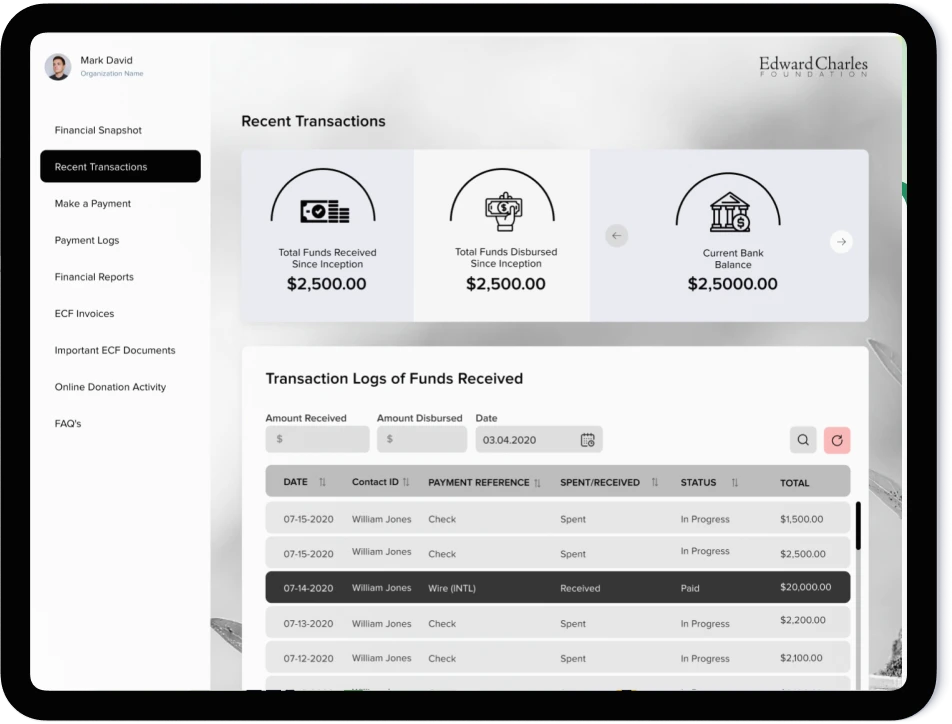

Increased in donor engagement and participation
More accurate donor insights for better targeting
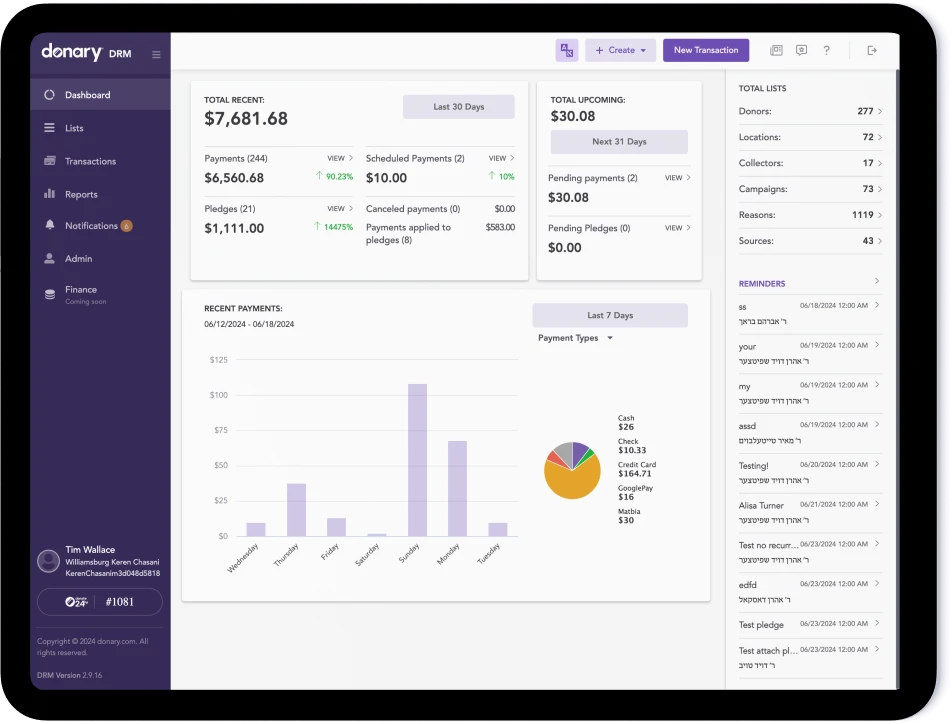

Improvement in Risk Assessment
Faster income verification process
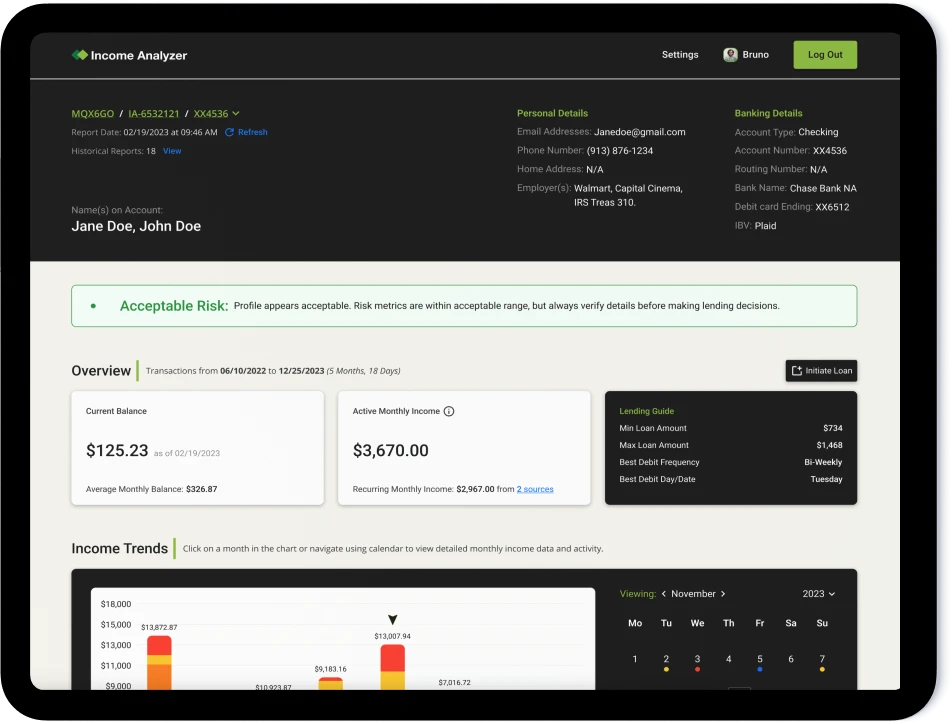

Success rate in global payment acceptance
Reduction in fraudulent transactions
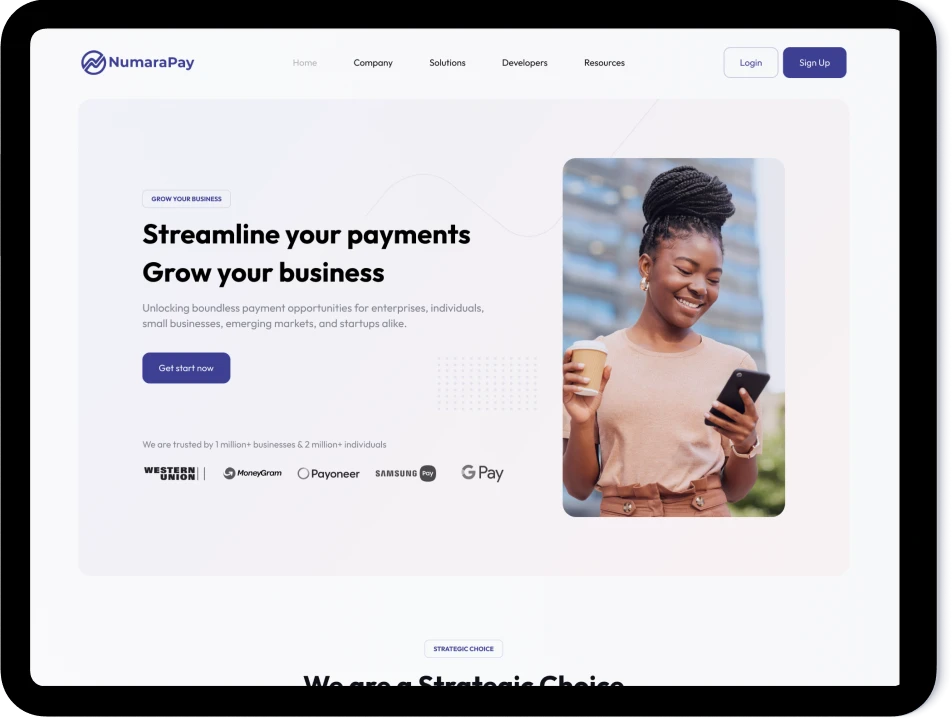
We build insurance software that connects with core insurance systems, customer-facing platforms, compliance tools, and external services to support seamless digital operations across insurance and fintech software development ecosystems.
Connect with existing policy management systems to enable real-time policy creation, updates, renewals, and data synchronization across platforms.
Integrate with claims processing systems to support automated claim submissions, document handling, status tracking, and faster resolution workflows.
Enable secure premium payments, recurring billing, refunds, and transaction tracking through integration with global and regional payment providers.
Integrate with KYC AML automation software to support identity verification, document validation, and compliance checks during onboarding.
Connect with fraud monitoring workflow integration tools and compliance and risk management software to detect anomalies and reduce financial risk.
Integrate with analytics platforms and BI tools to track performance, customer behavior, claims data, and operational metrics in real time.
Enable seamless connectivity with insurers, brokers, aggregators, and external service providers through secure API integrations.
Leverage AI in FinTech solutions by integrating chatbots, recommendation engines, and automation tools to enhance customer experience and operational efficiency.
Connect with CRM and support platforms to centralize customer data, service history, and policy-related interactions.
Insurance software development requires careful coordination across policy workflows, claims processing, integrations, and user experience as platforms move from build to real-world operations. Our approach is designed to protect timelines and trust while aligning delivery priorities with broader fintech app development goals and fintech product development cost planning.
Dedicated leadership ensures insurance platform decisions, priorities, and outcomes remain aligned across policy management, claims workflows, and system integrations throughout development.
Policy flows, claims journeys, onboarding processes, and compliance requirements are defined early to maintain consistency, reduce delays, and support predictable delivery.
Insurance software is built for scalability, security, and performance, supporting high-volume transactions, real-time processing, and reliable system behavior.
Delivery milestones, system readiness, and potential risks are communicated clearly to maintain confidence across development, deployment, and ongoing operations.



CEO, Donary

Operations & Donor/Client Relations, Edward Charles Foundation


Owner, DMA Associates LLC


Director & Founder, Careless
CEO, Donary
Operations & Donor/Client Relations, Edward Charles Foundation
Owner, DMA Associates LLC
Director & Founder, Careless

Chief Executive Officer, NumaraPay
















Explore answers to common questions about KYC digital solutions and AML automation, including implementation, compliance, integrations, and scalability.
KYC AML automation software streamlines identity verification, risk checks, and compliance processes using APIs, AI, and rule-based workflows.
It reduces manual errors, speeds up onboarding, and ensures regulatory compliance across financial products and digital platforms.
Key features include identity verification, sanctions screening, risk scoring, transaction monitoring, and automated reporting tools.
AML automation uses rules, AI models, and transaction patterns to flag suspicious activities and generate real-time alerts.
Yes, modern KYC AML solutions integrate with banking systems, APIs, CRMs, and payment platforms for seamless workflows.
Development typically takes 3 to 6 months depending on features, integrations, compliance needs, and system complexity.
Yes, it is designed to meet global regulations like FATF, GDPR, and local AML laws with built-in compliance frameworks.
Technologies include AI/ML, APIs, OCR, biometric verification, cloud platforms, and real-time data processing systems.
Banks, fintech startups, payment providers, lending platforms, and digital wallets need it for secure onboarding and compliance.
Costs vary based on features, integrations, and compliance scope, typically ranging from mid to high investment levels.