On-demand mobile app development company in USA
From delivery & booking to marketplace platforms, we build on-demand apps designed for seamless experiences and scalable growth.
Talk to Our Experts





Create an on-demand food delivery app with a user-friendly interface that lets users browse menus, place orders, and track deliveries in real time.
Provide users with convenient access to fitness content and services through on-demand fitness apps featuring workout routines, nutrition plans, & progress tracking.
Give busy customers a convenient way to order groceries online and schedule delivery to their preferred location and time.
Enable users to schedule pickup and delivery for laundry with our laundry app that supports ordering, tracking, and online payments.
Build an on-demand courier and logistics app that lets customers request package and goods delivery to a specified location and time.
Our on-demand car and taxi booking apps let users request rides to specific locations and pay through the app.
Let customers book beauty professionals such as hairdressers, manicurists, and masseuses for at-home or in-office services with ease.
Our on-demand travel apps include features such as flight and hotel booking, itinerary management, and travel recommendations.
Make booking and virtual consultations effortless with on-demand doctor apps that connect patients with trusted providers.
Connect service providers with customers across industries, including wellness and transportation, to make local bookings easy.
Offer movies, TV shows, and games through on-demand entertainment apps with vast catalogs and multiple content categories.
Help users access educational content on demand through scalable apps featuring video lectures and interactive exercises.

Revenue
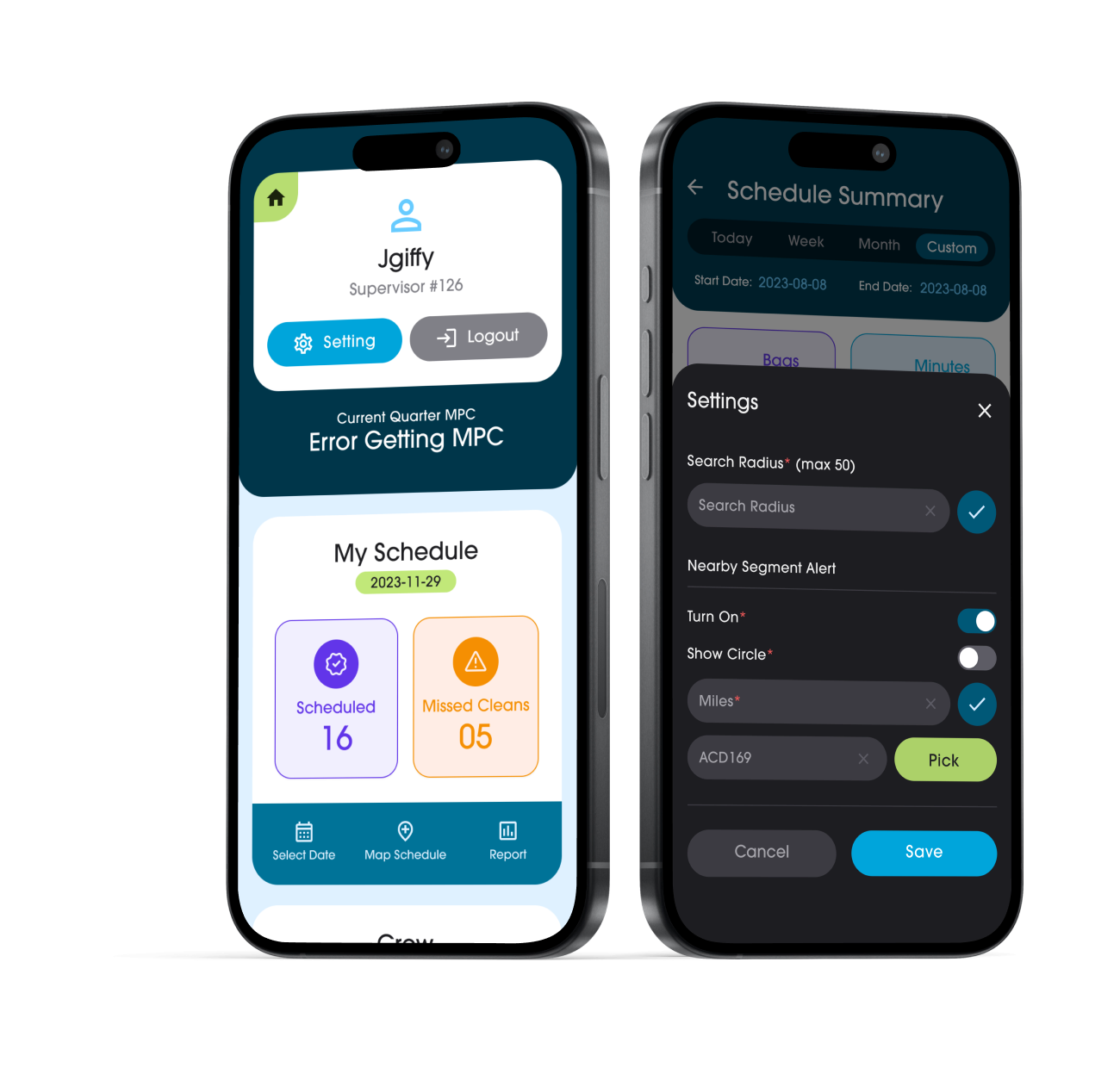
Increased in Real-time Tracking Accuracy

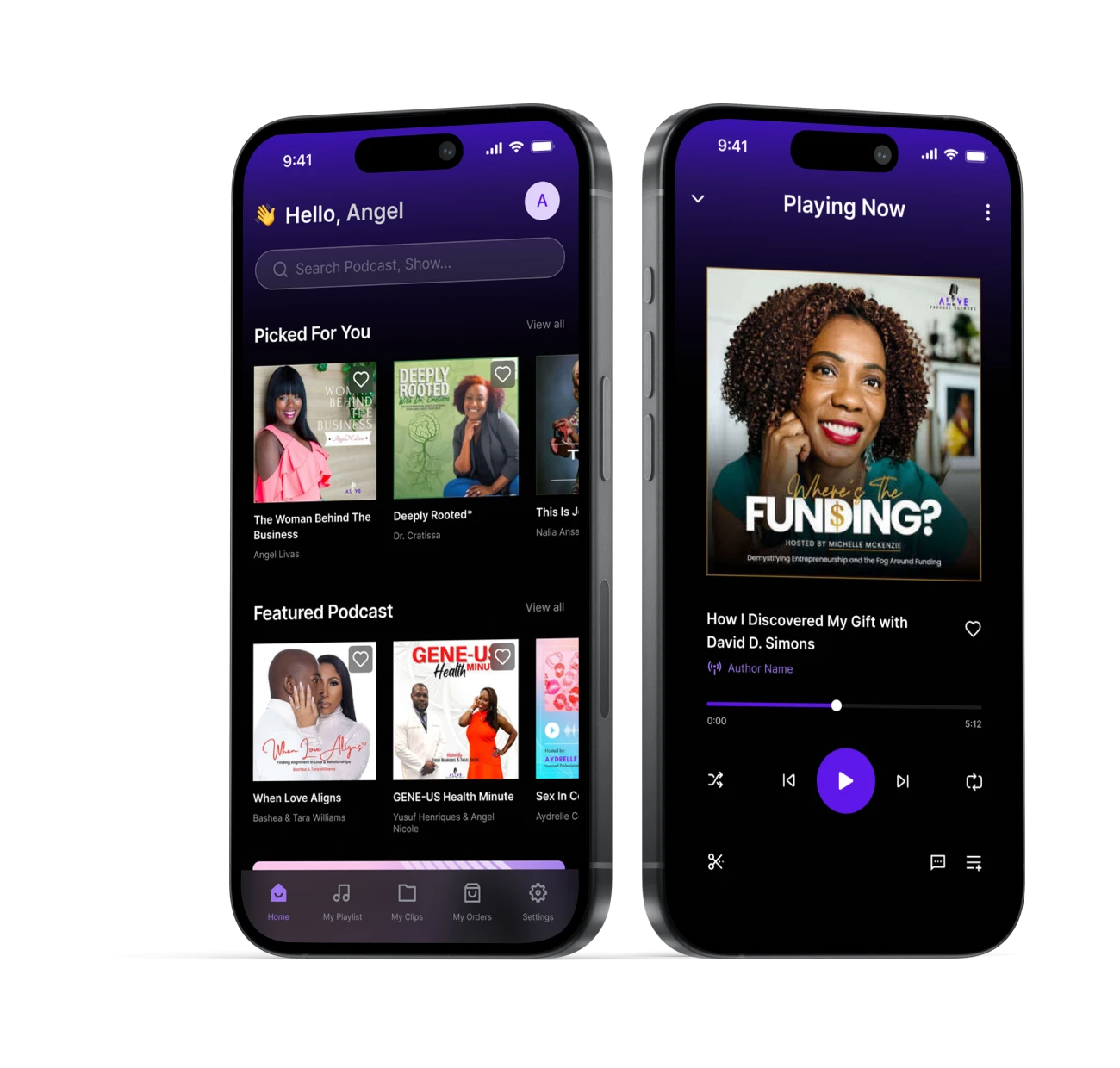
Podcast Integrated
Improved Podcast Distribution Speed

Funding
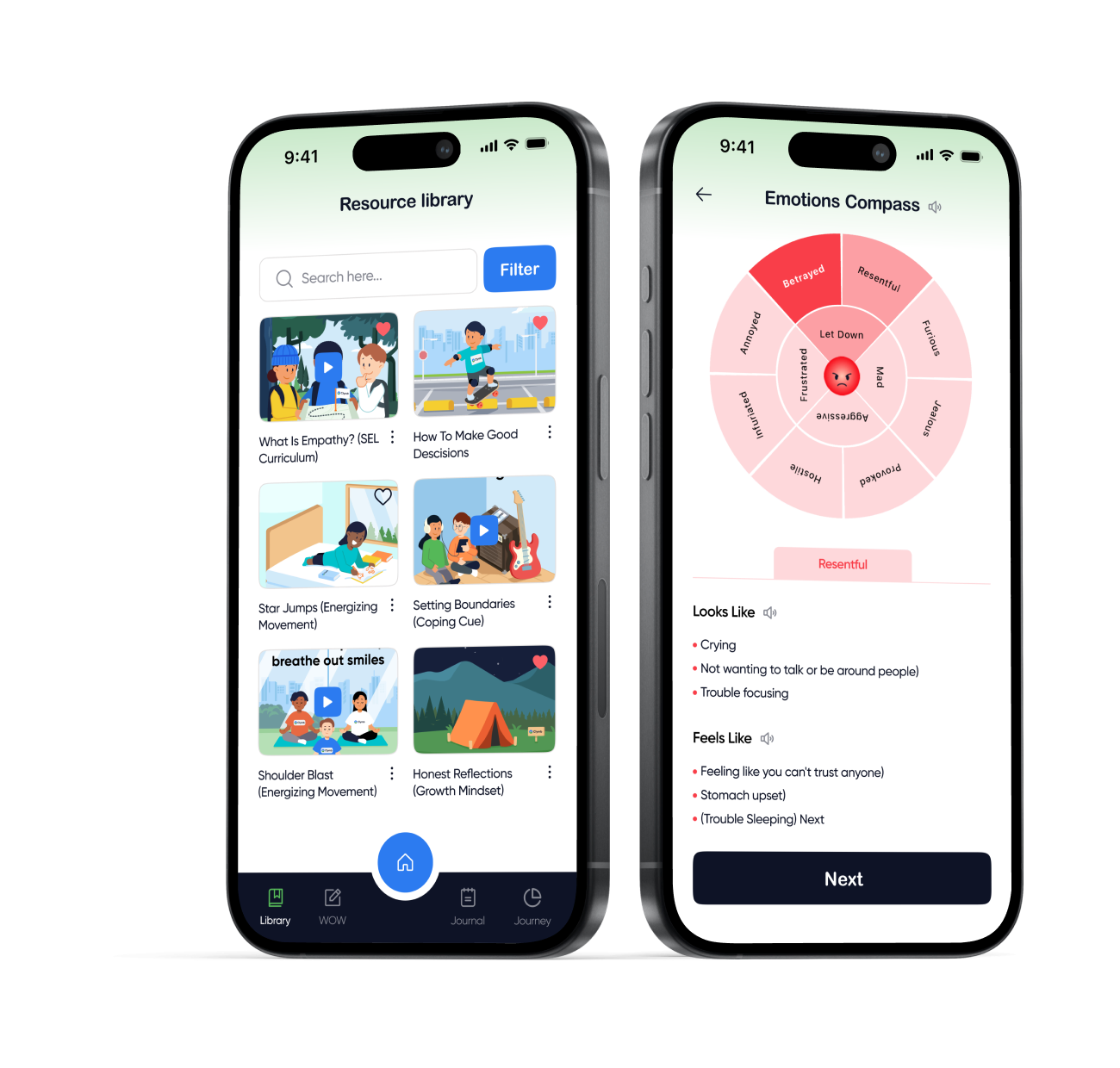
Improved SEL among students

Revenue
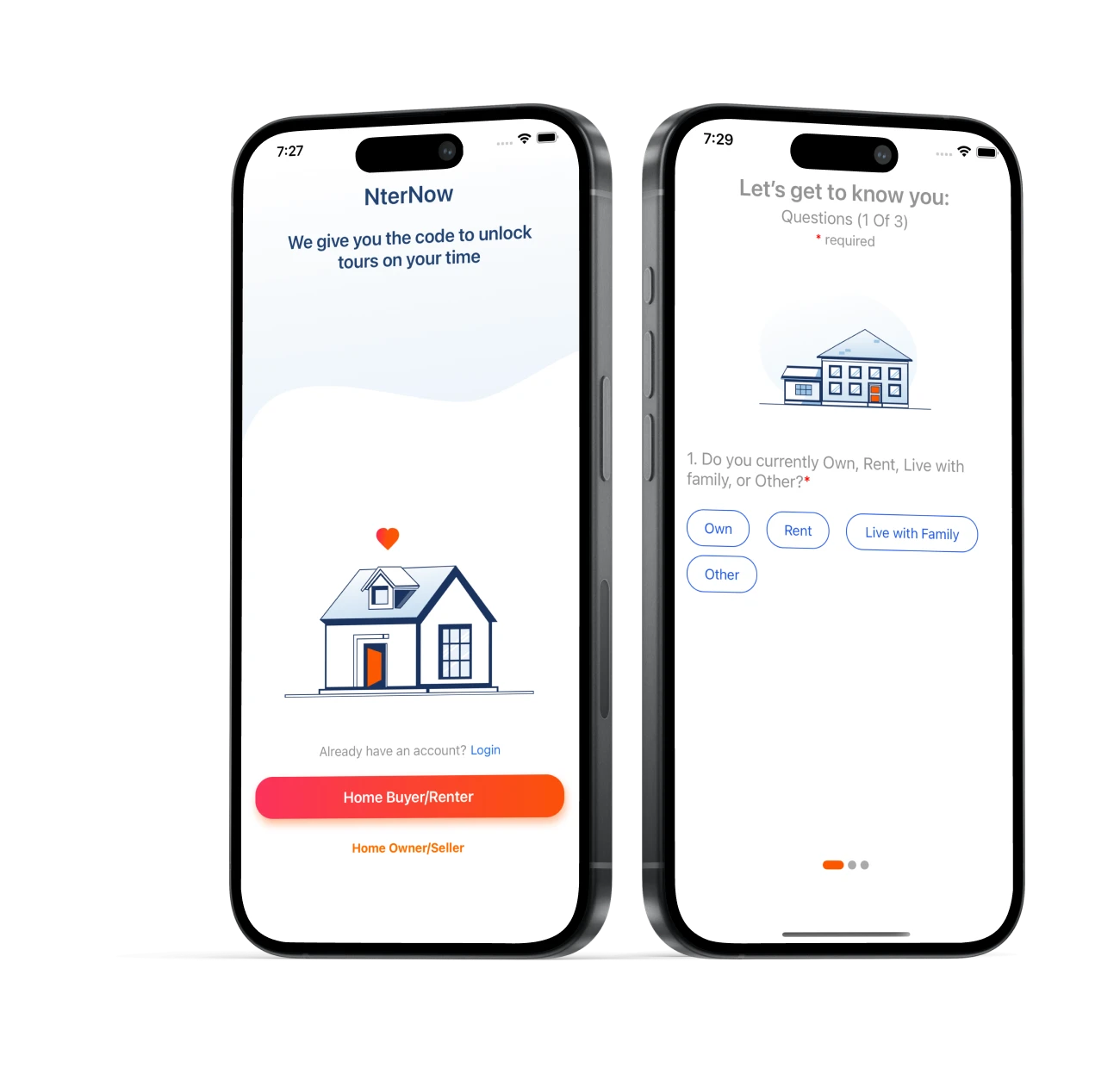
Increase in Property Tour Efficiency

Revenue
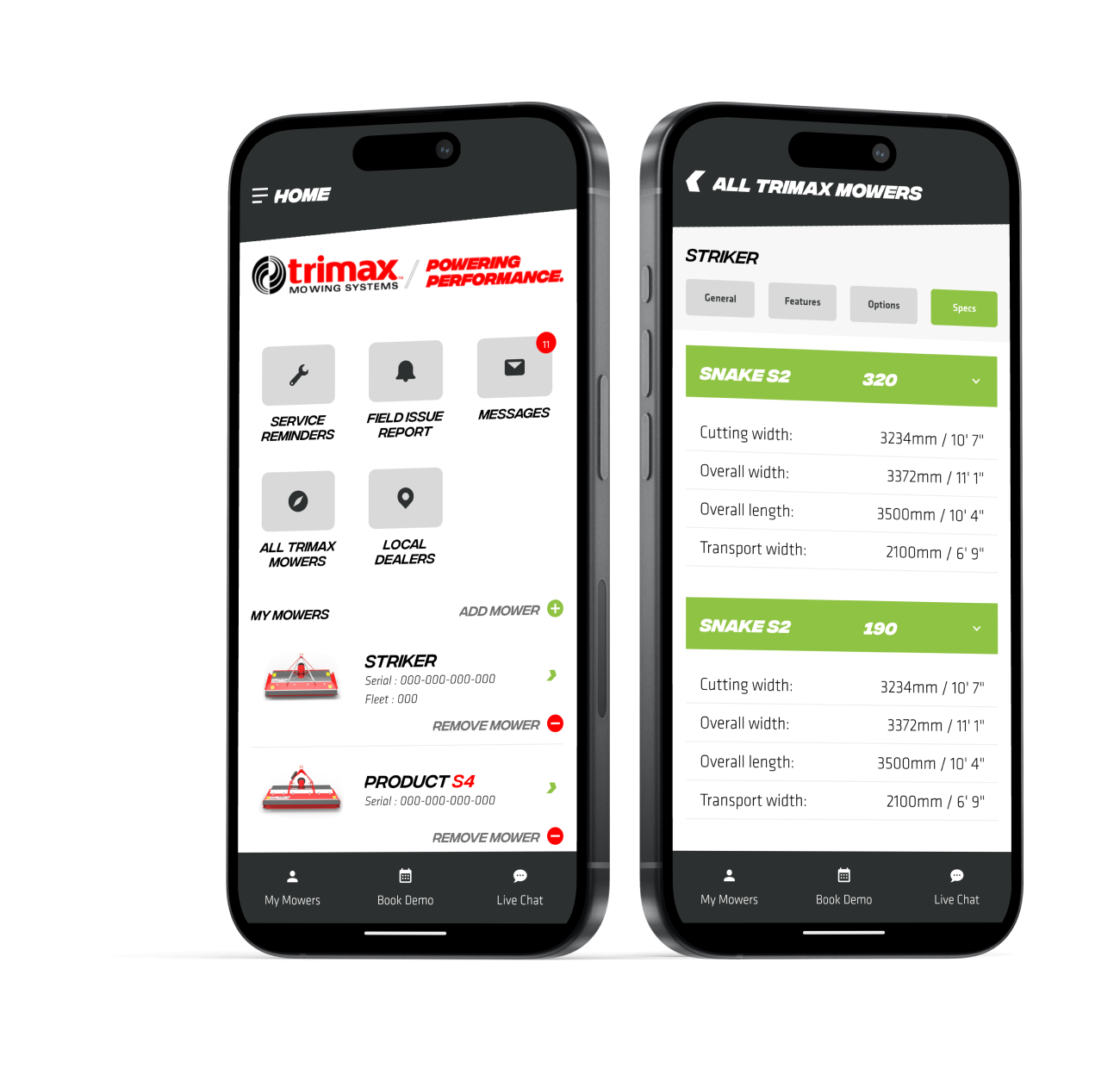
Improved Order Efficiency
Building on-demand platforms requires clarity across scope, ownership, and execution.
Our approach helps keep delivery on track as your platform scales, handles demand, and supports real users.
Dedicated leadership aligns customer apps, provider apps, and admin systems to shared goals, ensuring decisions and priorities stay focused throughout the lifecycle.
Workflows such as dispatch logic, payments, tracking, and notifications are architected early to reduce rework and support seamless scaling.
On-demand platforms are built for performance, uptime, and operational resilience, supporting real-time transactions and high user concurrency from day one.
Milestones, technical tradeoffs, and operational risks are communicated clearly to maintain control, confidence, and predictable delivery.


Market Operations Manager, Adopt A Highway Maintenance Corporation®


Founder & CEO, ALIVE Podcast Network


CEO, Clymb

CEO at NterNow
















We integrate AI into on-demand platforms to automate workflows, improve decisions, and deliver smarter user experiences.

We use proven and emerging technologies to build reliable, real-time on-demand platforms. From customer and provider apps to admin panels, our tech choices support performance, scalability, and seamless user experiences.
Swift enables efficient object-oriented programming, and it helps build robust on-demand apps. It helps drive innovation and optimize app performance. The language offers high flexibility, enabling complex development as well as on-demand app development.
SwiftUI enables rapid app development faster than ever. The language is power-packed with many features that help make apps more innovative and intuitive. In addition, the language offers safe programming and easy maintenance, making the development process dynamic.
Objective-C is a sophisticated language that helps create efficient and scalable iOS and Android apps. As a result, it helps with remarkable on-demand application development. In addition, the language enables developers to develop on-demand apps with rich features.
Kotlin is a high-performance, secure, and robust programming language for Android devices. This technique is also used for creating Android on-demand apps. In addition, Kotlin's versatility and power enable it to be used across a range of applications.
Java development helps build feature-rich apps that support Android devices of all kinds. It enables custom, serverless development of on-demand apps for startups and large enterprises. Its flexible tech stack offers agile development of an app's client-side and server-side.
React Native helps with custom mobile app development at cost-effective rates. It enables the development of apps for both Android and iOS. Without compromising the user experience, it lets you create native apps for all device types.
Powered by Google, Flutter app development enables the development of on-demand apps compatible with both Android and iOS platforms. As a result, Flutter is a go-to choice for everyone who needs feature-rich, dynamic apps that are business-ready to serve all objectives.
Ionic is the technology that enables the design and development of on-demand apps that provide a rich, interactive experience and pair with other mobile devices. Custom on-demand app development helps build business objectives and goals.
Defined processes make work easy to execute and ensure efficiency. Because of this, our experts with 15+ years of industry experience have developed a flexible process to ensure agility without compromising accuracy.
Get clear answers on our on-demand app development services, including features, timelines, tech stack, and delivery approach.
Core features usually include user registration, service booking, real-time tracking, secure payments, notifications, ratings and reviews, provider management, and an admin dashboard for operations and analytics.
Most businesses launch on both platforms to reach a wider audience. Cross-platform technologies or native development can be used depending on performance, budget, and scalability requirements.
Yes. On-demand apps commonly integrate payment gateways, maps, GPS tracking, push notifications, analytics tools, and third-party APIs to enable seamless transactions, service updates, and user engagement.
Yes. A centralized admin dashboard helps manage users, service providers, bookings, payments, reports, promotions, and platform activity while giving businesses operational control.
Yes. On-demand apps can be tailored for industries such as food delivery, taxi services, home services, healthcare, logistics, education, and beauty services based on specific workflows and user roles.
The technology stack typically includes mobile frameworks, backend systems, cloud infrastructure, APIs, and database technologies. The stack is selected based on scalability, performance, and long-term maintenance requirements.
Scalability is achieved through cloud infrastructure, optimized backend architecture, and API based integrations. Security practices include encrypted payments, secure authentication, data protection, and regular testing.
Yes. Ongoing support includes performance monitoring, feature updates, security patches, platform upgrades, and optimization to ensure the app continues to perform reliably as the business grows.
Yes. Existing apps can be redesigned, re-engineered, or migrated to modern technologies to improve performance, user experience, scalability, and integration capabilities.