

Key Takeaways
- Mobile App Development Process: Mobile app development includes planning, design, development, testing, launch as well as the maintenance.
- Clear Strategy: Proper planning helps define features, users, budget, timeline, and platform needs.
- Right Tech Stack: Suitable tools, frameworks, backend systems, and cloud platforms make the app scalable.
- Quality Testing: QA helps fix bugs, performance issues, compatibility gaps, and security risks.
- Continuous Maintenance: Apps need updates, monitoring, security improvements, and also the new features after launch.
- Smart Platform Choice: iOS, Android, or cross-platform development should match business goals and audience needs.
A great mobile app does not begin with coding. It begins with a clear problem, a strong user experience, and a development process that turns an idea into something people actually want to use.
Today, businesses build mobile apps to improve customer access, simplify operations, increase engagement, and create new digital revenue channels. But without the right process, even a promising app idea can face delays, poor usability, performance issues, or low adoption.
This guide explains the complete mobile app development process, from ideation and planning to UI/UX design, development, testing, launch, and post-launch maintenance. It also covers key technologies, platform choices, and real-world considerations that help businesses build mobile apps that are practical, scalable, and user-focused.
Mobile app development: turning caffeine into code since the dawn of smartphones.
What is Mobile App Development?
Mobile app development is the process of planning, designing, building, testing, and launching software applications for smartphones, tablets, and other mobile devices. These apps can be built for iOS, Android, or both platforms using native or cross-platform technologies.
A successful mobile app development process includes more than just coding. It starts with understanding the business goal, user needs, app features, UI/UX design, backend functionality, security, testing, deployment, and long-term maintenance.
For businesses, mobile app development helps create direct customer engagement, improve service accessibility, automate operations, and deliver better digital experiences through mobile devices.
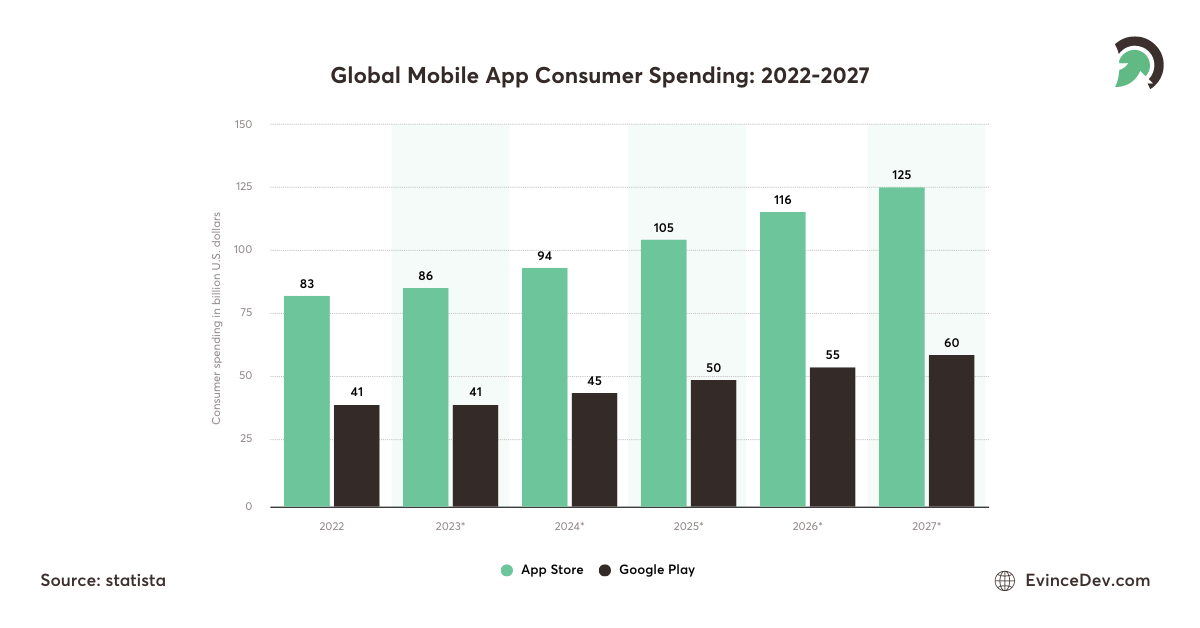
- Consumers are projected to spend approximately $125 billion on mobile app purchases from app shops by 2027, according to Statista.
Importance of Mobile App Development
Mobile apps play a vital role in today’s digital landscape. They offer businesses a direct channel to connect with their target audience and engage with customers. Having a mobile app can enhance brand visibility, attract new customers, improve customer loyalty, and increase revenue. By providing a seamless user experience, mobile apps contribute to customer satisfaction and strengthen brand image.
Furthermore, mobile apps, combined with AI, have revolutionized how businesses operate. As smartphone usage continues to rise, AI-driven features like chatbots, predictive analytics, and personalized content have become essential tools for businesses to stay competitive. By offering AI-enabled mobile apps, businesses can tap into this vast user base, streamline operations, and establish a stronger presence in the digital realm.
Quick Stat:
According to Sensor Tower, mobile users spent 4.2 trillion hours on apps in 2024, which shows how deeply mobile apps are now connected to everyday user behavior.
Steps in the Mobile App Development Process
1. Ideation & Conceptualization
The first step in the mobile app development process is to conceptualize the app idea. This involves identifying a problem or need that the app will address and brainstorming potential solutions. Extensive market research and competitor analysis can help refine the app idea and ensure its viability.
During the conceptualization phase, it is crucial to consider the target audience’s preferences and behavior. Understanding their needs and pain points will enable developers to create an app that truly resonates with users. Additionally, exploring emerging technologies and trends can inspire innovative ideas that set the app apart from competitors.

2. Planning and Strategy
Once the app idea is solidified, the next step is to create a detailed plan for app development. This includes defining the app’s core features, establishing the target audience, determining the budget and timeline, and choosing the appropriate development approach.
Functional and Non-Functional Requirements: The Cornerstones of MobChoosing the right technile App Development
Functional Requirements
Functional requirements outline the specific functionalities and features the mobile app must possess to meet its intended purpose. These requirements define what the app should do and how it should interact with users. When defining functional requirements, consider factors such as:
- Core features: What essential functionalities does the app need to provide?
- User interactions: How will users interact with the app? What actions can they take?
- Data input and output: What type of data will the app need to process and display?
- Integration with other systems: Will the app need to integrate with other software or platforms?
Quick Stat:
According to Sensor Tower, global consumer spending on mobile apps reached $150 billion for the first time in 2024, making monetization strategy an important part of mobile app planning.
Non-Functional Requirements
Non-functional requirements focus on the app’s overall quality, performance, and usability. These requirements ensure that the app meets the expectations of users and stakeholders. Key non-functional requirements to consider include:
- Performance: How fast should the app respond to user input? What is the acceptable load time?
- Security: What measures will be taken to protect user data and prevent security breaches?
- Usability: How easy is the app to use? Is the interface intuitive and user-friendly?
- Scalability: Can the app handle increasing user loads and data volumes?
- Compatibility: Will the app work on different devices and operating systems?
During the planning phase, it is essential to consider scalability and future updates. Anticipating potential growth and incorporating flexibility into the app’s architecture will save time and resources in the long run. Moreover, creating a comprehensive project plan with clear milestones and deliverables ensures that the development process stays on track.
Technology Stack
Choosing the right technology stack is crucial for building a successful mobile app. Consider factors like app complexity, performance requirements, team expertise, and third-party integrations. Popular options include:
- Programming Languages: Swift/Objective-C (iOS), Kotlin/Java (Android), JavaScript (React Native, Flutter)
- Frameworks and Libraries: UIKit/SwiftUI (iOS), Jetpack Compose/Android View System (Android), React Native, Flutter
- Development Tools: Xcode (iOS), Android Studio (Android), Visual Studio Code
- Backend Development: Python, Ruby, JavaScript, PHP, Django, Ruby on Rails, Node.js, Laravel
- Databases: MySQL, PostgreSQL, MongoDB
- Cloud Platforms: AWS, GCP, Azure
3. UI/UX Design
After planning the app features, requirements, and user goals, the next step is to design how the app will look and work for users. UI/UX design helps turn the app idea into a clear visual experience before development begins.
In this stage, designers create user flows, wireframes, prototypes, and visual screens to define the app’s structure and navigation. The goal is to make the app simple, engaging, and easy to use across different devices.
A strong UI/UX design reduces confusion, improves user engagement, and helps developers understand the expected app experience clearly.
Key activities in this stage include:
- Creating user journeys and navigation flow
- Designing wireframes and clickable prototypes
- Defining colors, typography, icons, and layouts
- Improving usability across different screen sizes
- Aligning the design with user needs and business goals
4. Development & Backend Implementation
Once the app’s design is finalized, the development phase begins. It involves writing code, implementing features, and integrating the necessary functionalities. Agile development methodologies, such as Scrum or Kanban, can streamline the development process and facilitate collaboration among team members.
During the development phase, it is important to prioritize clean code and maintainable software architecture. Following coding best practices and adhering to industry standards will ensure that the app is scalable, efficient, and easy to maintain. Regular code reviews and continuous integration practices can help identify and resolve any issues early in the development process.
“Mobile-first is not the mobility of a device, but the mobility of the individual experience.”
Satya Nadella, Chairman and CEO, Microsoft
5. Testing and Quality Assurance (QA)
Thorough testing is essential to ensure the app functions as intended and is free from errors or bugs. Testing should cover various scenarios and devices to ensure compatibility and a consistent user experience. Testers should provide detailed feedback, which can be used to fix any issues before the official launch.
Why do developers prefer dark mode? Because light attracts bugs!
During the testing phase, it is crucial to conduct both manual and automated testing. Manual testing allows for a human perspective, while automated testing ensures comprehensive coverage and faster detection of potential issues. Additionally, beta testing with a group of real users can provide valuable insights and help identify any remaining bugs or usability concerns.
6. Deployment and Launch
After the app is extensively tested and refined, it’s ready for launch. Launching the app involves submitting it to app marketplaces, such as the Apple App Store, Google Play Store and others. App store optimization techniques, such as keyword optimization and engaging descriptions, can increase the app’s visibility and download numbers.
During the launch phase, it is important to create a marketing strategy to promote the app and generate initial traction. Leveraging social media platforms, influencer partnerships, and targeted advertising can help reach the app’s target audience and increase its chances of success. Monitoring user feedback and reviews post-launch is also crucial for making necessary improvements and updates.
Good developers know that behind every successful app, there’s a pile of broken code and a lot of late nights.
7. Post-Launch App Maintenance
App development doesn’t end with the launch; it requires ongoing maintenance and updates. Regularly monitoring app performance, user feedback, and emerging trends can help identify areas for improvement and new feature additions. Maintenance also involves addressing any performance issues, bugs, or security vulnerabilities that may arise.
During the post-launch phase, it is important to prioritize user support and engagement. Promptly addressing user inquiries and feedback can enhance user satisfaction and loyalty. Additionally, staying up-to-date with the latest technologies and industry trends ensures that the app remains competitive and relevant in the ever-evolving mobile app landscape.
Mobile App Development Example
Consider a retail business may want to build a mobile app that allows customers to browse products, create wishlists, place orders, track deliveries, and receive personalized offers. The process would start with identifying customer needs, defining app features, creating UI/UX designs, developing the frontend and backend, testing the app across devices, and launching it on the App Store and Google Play.
After launch, the app would need regular updates, bug fixes, performance monitoring, security improvements, and new features based on customer feedback. This example shows how mobile app development is not just about coding, but about planning, designing, building, launching, and continuously improving the app.
Real World Project Reference:
Flexpool’s users needed quick access to mining performance, rewards, and worker activity without logging into the web platform every time. The key challenge was to make complex mining data easy to view, accurate in real time, and accessible from mobile devices.
EvinceDev built cross-platform mobile apps for iOS and Android with a clean interface, secure API integration, and real-time data updates. The app helped miners check important stats, track rewards, and monitor activity on the go, turning a data-heavy platform into a smoother mobile experience.
Key Elements in Mobile App Development
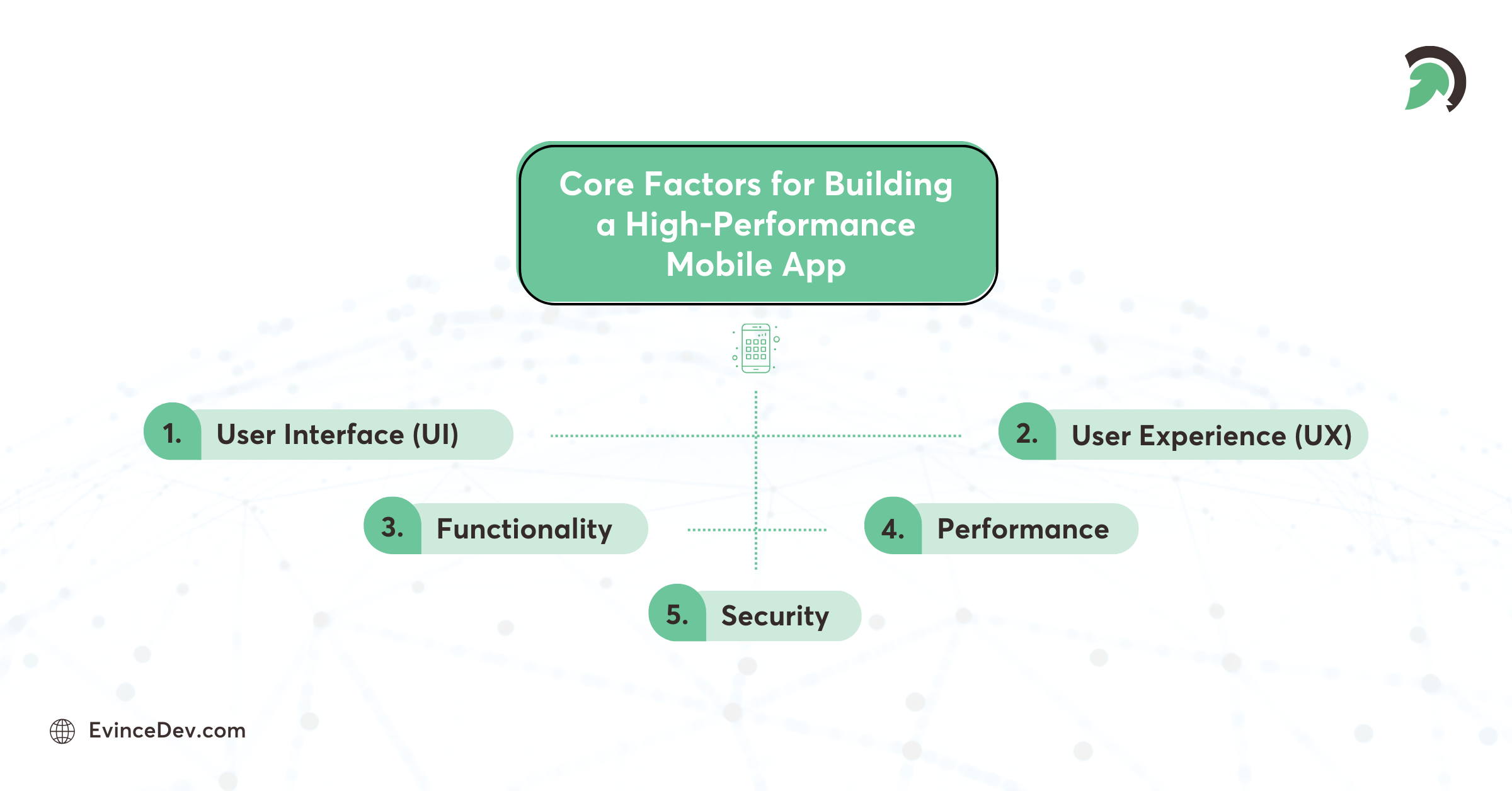
During the mobile app development process, several key elements must be considered to ensure the successful creation of an app. These elements include:
User Interface (UI)
A well-designed user interface is crucial for an engaging and intuitive app. It encompasses the visual elements and interactions that users will experience while using the app. The UI should be visually appealing, easy to navigate, and consistent with the brand’s identity.
User Experience (UX)
User experience focuses on how users interact with the app and aims to create a seamless and enjoyable experience. This includes factors such as ease of navigation, responsiveness, and overall satisfaction. To achieve a great UX, developers conduct user research and testing to understand user preferences and optimize the app accordingly.
Functionality
App should offer the functionality and features that meet the user’s needs and expectations. This entails understanding the target audience and incorporating the necessary functionalities into the app. Whether it’s a social media app, a gaming app, or a productivity app, the functionality should align with the app’s purpose.
Performance
App performance plays a crucial role in user satisfaction. It involves optimizing the app to ensure fast loading, smooth transitions, and efficient resource management. Developers employ various techniques, such as code optimization, resource optimization, memory leakages, background operations, local storage and much more, to enhance the app’s performance and deliver a seamless user experience.
Security
Mobile apps handle sensitive user data, making security a top priority. Implementing robust security measures protects user information and builds trust with users. This includes encryption of data, secure authentication methods, reverse engineering prevention, and regular security audits to identify and address vulnerabilities.
By considering these key elements, mobile app developers can create high-quality apps that not only meet user expectations but also drive business growth. The mobile app development process is a meticulous and iterative one, involving collaboration between designers, developers, and stakeholders to ensure the app’s success.
Choosing the Right Mobile App Development Platform
When it comes to selecting a mobile app development platform, there are several options to consider. The choice depends on factors such as target audience, app complexity, budget, and time constraints. The three key platforms in mobile app development are:
iOS App Development
iOS app development involves creating applications specifically for Apple devices, such as iPhones and iPads. iOS offers a unified user experience and strict app store guidelines, making it an ideal platform for targeting Apple users. However, developing for iOS requires knowledge of Apple’s programming languages, Objective-C and Swift, with the addition of Swift UI, and adherence to Apple’s development guidelines.
Android App Development
Android app development focuses on creating applications for devices running the Android operating system. Android is the most widely used mobile operating system globally, offering a vast user base and device diversity. Developing for Android requires knowledge of Java or Kotlin programming languages and familiarity with the Android developer ecosystem.
Cross-Platform App Development
Cross-platform app development allows developers to create apps that run on multiple platforms, such as iOS and Android, using a single codebase. Cross-platform frameworks, such as React Native, Flutter, Kotlin Multiplatform, or Xamarin, enable code reuse and faster development cycles. This approach is beneficial for projects with limited resources or tight deadlines.

Ready to Transform Your Idea into a Functional Mobile App?
A successful mobile app is not built in one step. It moves through a clear process, from ideation, planning, and UI/UX design to development, testing, launch, and ongoing maintenance. Each stage helps reduce risk, improve user experience, and ensure the final app is secure, scalable, and ready for real users.
For businesses planning to build or improve a mobile app, having the right development partner can make the process smoother and more result-driven. EvinceDev supports businesses with end-to-end mobile app development services, including iOS app development, Android app development, cross-platform app development, UI/UX design, backend development, API integration, testing, deployment, and post-launch maintenance.