Key Takeaways
- GovRAMP Standardizes Security: It gives agencies a common framework to assess cloud vendor security.
- Public Sector Trust: GovRAMP helps SaaS vendors prove security readiness to government buyers.
- Monitoring is Ongoing: Compliance requires continuous monitoring, reporting, and risk management.
- GovRAMP Differs from FedRAMP: GovRAMP serves state and local governments, while FedRAMP serves federal agencies.
- Strong Controls Matter: Vendors need MFA, encryption, logging, vulnerability management, and incident response.
- GovTech Growth: GovRAMP can improve procurement readiness and open more public sector opportunities.
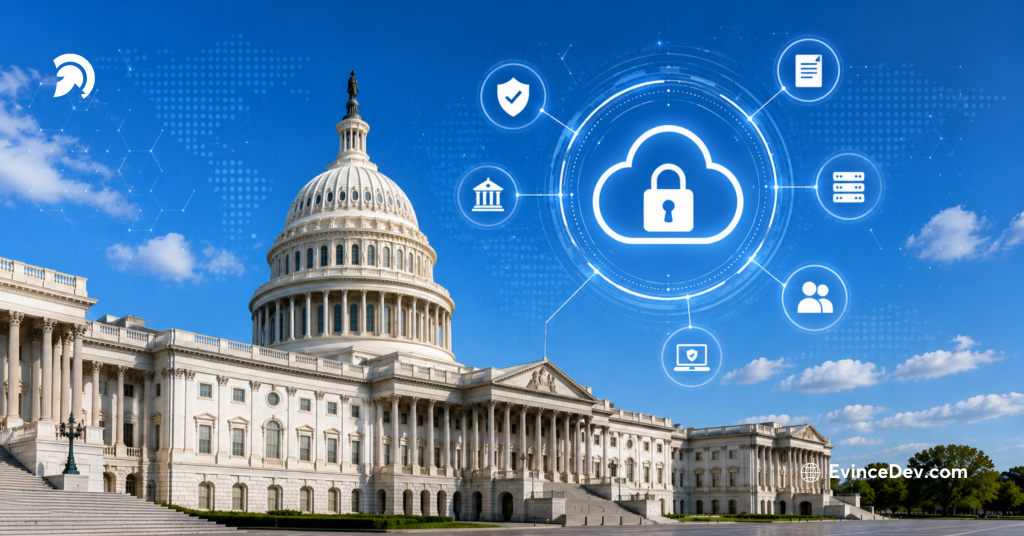
Before a government agency adopts your SaaS platform, it needs more than a great product demo. It needs proof that your cloud environment can protect sensitive public data, manage cybersecurity risks, and meet strict compliance expectations.
That is where GovRAMP compliance for government SaaS platforms becomes essential.
As state and local governments and educational institutions move more services to the cloud, vendor security reviews are becoming more detailed and demanding. GovRAMP helps simplify this process by giving agencies a standardized way to assess cloud vendors and verify their security posture.
For SaaS companies, GovRAMP can strengthen trust, support government cloud compliance, and improve readiness for public sector contracts.
In this guide, we will explain what GovRAMP is, how it works, its key requirements, and why it matters for SaaS providers serving government agencies.
Quick Stat:
According to a Federal News Network article, the GovRAMP community now includes more than 70 participating governments, 33 states, and approximately 400 private sector members, reflecting the growing demand for standardized public sector cloud security frameworks.
What Is GovRAMP Compliance?
GovRAMP compliance for government SaaS platforms refers to a standardized cybersecurity assessment and authorization framework designed for cloud service providers working with State, Local, and Education (SLED) agencies.
GovRAMP stands for Government Risk and Authorization Management Program. Formerly known as StateRAMP, its primary goal is to simplify and standardize how government organizations evaluate cloud vendors for security and risk management.
Instead of every agency conducting separate security reviews for each software provider, GovRAMP creates a shared framework that agencies can rely on during procurement and vendor selection. The framework is heavily aligned with recognized cybersecurity standards such as NIST SP 800-53 and other widely accepted cloud governance standards. It establishes a common set of security controls, documentation requirements, monitoring practices, and independent assessments that SaaS vendors must follow.
At its core, GovRAMP focuses on:
- Risk management
- Data protection
- Secure infrastructure
- Incident response
- Vulnerability management
- Continuous monitoring
- Access control
- Operational resilience
The framework allows government buyers to trust that approved vendors have undergone a structured security validation process.
For SaaS providers, GovRAMP demonstrates that their platform meets modern expectations for government cloud compliance and public sector cybersecurity readiness.
Why GovRAMP Was Created
Before GovRAMP, many government procurement teams handled cloud security assessments independently. This created several major challenges for both agencies and SaaS vendors.
Each government entity often used:
- Different security questionnaires
- Unique compliance requirements
- Separate approval processes
- Inconsistent evaluation standards
For SaaS companies, this meant repeating the same lengthy security reviews for every potential customer.
At the same time, cyber threats targeting government organizations continued to rise. State and local governments and educational institutions increasingly became targets for ransomware attacks, data breaches, phishing campaigns, and infrastructure disruptions.
Quick Stat:
According to IBM’s Cost of a Data Breach Report, the average cost of a data breach in 2024 reached $4.88 million globally, highlighting the growing importance of public sector cloud security and vendor risk management.
Government agencies needed a better way to:
- Assess cloud vendors consistently
- Improve public sector cloud security
- Reduce procurement delays
- Minimize vendor risk
- Strengthen cybersecurity oversight
GovRAMP was introduced to create a unified framework that simplifies security evaluations while maintaining high cybersecurity standards. Today, it helps state and local governments and educational institutions adopt cloud technology faster without compromising security.
Quick Stat:
According to AWS, more than 11,000 government agencies use AWS cloud services to process, store, and manage state and local government data.
How GovRAMP Works
GovRAMP operates as a structured cybersecurity verification and continuous monitoring program for cloud providers.
The process typically involves several phases.
1. Security Control Assessment
The first step involves evaluating the SaaS platform against established security controls derived from NIST standards and other recognized SaaS compliance frameworks.
These controls cover areas such as:
- Identity management
- Data encryption
- Network security
- Access control
- Logging and auditing
- Incident response
- Backup and recovery
Organizations must document their security architecture, policies, procedures, and operational safeguards in detail.
2. Independent Third-Party Assessment
GovRAMP relies heavily on independent security validation.
A third-party assessment organization reviews the vendor’s:
- Technical infrastructure
- Security controls
- Policies
- Monitoring systems
- Risk management processes
This assessment typically includes:
- Vulnerability scanning
- Penetration testing
- Documentation reviews
- Security interviews
- Evidence validation
The goal is to ensure the platform meets required security standards before authorization is granted.
3. Authorization Review
After assessment, findings are reviewed to determine whether the vendor meets GovRAMP expectations. If gaps are identified, the SaaS provider must complete remediation efforts before receiving authorization.
Once approved, the platform may achieve different maturity or authorization statuses depending on the completeness of the assessment.
4. Continuous Monitoring
GovRAMP is not a one-time authorization. Vendors must maintain ongoing security monitoring, reporting, and control validation to keep their status active.
Maintaining compliance requires ongoing:
- Security monitoring
- Vulnerability management
- Incident reporting
- Control validation
- Periodic reassessments
Continuous monitoring is one of the most important aspects of modern government cloud compliance because cyber threats constantly evolve.
This emphasis on ongoing security maturity helps organizations maintain reliable and secure government SaaS environments over time.
GovRAMP Authorization Levels
GovRAMP typically includes multiple authorization stages that reflect a vendor’s security maturity and assessment progress.
GovRAMP Ready
This is usually the starting point for many SaaS vendors.
At this stage:
- Baseline controls are implemented
- Documentation has been developed
- Independent assessments may be underway
- Initial security readiness has been demonstrated
GovRAMP Ready signals that the organization is actively progressing toward full authorization.
GovRAMP Authorized
This is the highest and most trusted status.
It indicates that:
- Security controls have been validated
- Independent assessments are complete
- Risks have been reviewed and accepted
- The organization meets established security expectations
For government buyers, this status significantly increases procurement confidence.
Additional Maturity Stages
GovRAMP also includes additional maturity stages such as Snapshot, Progressing Snapshot, and Core to help organizations gradually advance toward full authorization readiness.
GovRAMP vs FedRAMP
One of the most common questions among cloud vendors is the difference between GovRAMP and FedRAMP. Although they share similar cybersecurity principles, they target different government sectors.
| Feature | GovRAMP | FedRAMP |
| Primary Audience | State & Local Governments | Federal Agencies |
| Complexity | Moderate | Very High |
| Cost | Lower | Higher |
| Authorization Scope | Municipal & State Agencies | Federal Departments |
| Implementation Timeline | Faster | Longer |
| Entry Barrier | More Accessible | More Intensive |
FedRAMP is designed for federal government cloud vendors and is generally more demanding in terms of documentation, costs, audits, and operational maturity.
GovRAMP, on the other hand, is often considered a more achievable path for SaaS companies entering the public sector market.
Many organizations pursue GovRAMP first before eventually expanding toward federal compliance programs.
For growing SaaS providers with scalable SaaS infrastructure, GovRAMP can serve as a practical foundation for broader government security initiatives.
Core Security Requirements for GovRAMP
To achieve GovRAMP authorization, SaaS providers must implement strong cybersecurity and operational safeguards across multiple domains.
Identity and Access Management
Strong access control is essential for protecting government systems and sensitive data.
Requirements often include:
- Multi-factor authentication (MFA)
- Role-based access controls
- Least privilege access
- User activity tracking
- Session management
These controls help reduce unauthorized access risks and improve accountability.
Data Security and Encryption
Government agencies require vendors to protect data throughout its lifecycle.
This includes:
- Encryption at rest
- Encryption in transit
- Secure storage
- Backup encryption
- Key management practices
Robust encryption practices are fundamental to maintaining public sector cloud security.
Security Monitoring and Logging
Continuous visibility into system activity is critical.
Organizations are expected to implement:
- Security event logging
- Threat detection systems
- SIEM solutions
- Real-time alerting
- Audit trail retention
Effective cloud security monitoring helps identify and respond to suspicious activity quickly.
Vulnerability Management
GovRAMP emphasizes proactive risk reduction through continuous vulnerability management.
This typically includes:
- Regular vulnerability scanning
- Patch management
- Penetration testing
- Remediation tracking
- Secure configuration management
Vendors must demonstrate that vulnerabilities are identified and addressed promptly.
Incident Response
Every SaaS provider must maintain a formal incident response plan.
This plan should define:
- Detection procedures
- Escalation workflows
- Containment strategies
- Recovery processes
- Communication responsibilities
Government agencies expect vendors to respond rapidly and transparently during cybersecurity incidents.
Business Continuity and Disaster Recovery
Operational resilience is another critical requirement.
Organizations should implement:
- Backup systems
- Redundant infrastructure
- Disaster recovery procedures
- Availability safeguards
- Service continuity plans
Strong resilience practices support highly available and secure enterprise cloud systems.
Benefits of GovRAMP Compliance for SaaS Companies
Achieving GovRAMP compliance offers both security and business advantages.
Faster Government Procurement
Government agencies prefer vendors that already meet recognized security standards.
GovRAMP can reduce:
- Security questionnaire duplication
- Procurement delays
- Manual reviews
- Risk assessment overhead
This can significantly accelerate sales cycles.
Competitive Advantage
In highly competitive GovTech markets, compliance status matters.
Many agencies now prioritize vendors that demonstrate strong cybersecurity maturity.
GovRAMP can help organizations:
- Strengthen RFP responses
- Build procurement trust
- Differentiate from competitors
- Improve public sector credibility
Improved Cybersecurity Posture
The compliance process itself often improves internal operations.
Organizations frequently strengthen:
- Security governance
- Monitoring capabilities
- Infrastructure resilience
- Risk management workflows
- Operational documentation
These improvements benefit both government and private sector customers.
Expanded Market Opportunities
GovRAMP can help SaaS vendors expand into:
- State agencies
- Municipal governments
- Public universities
- Utility organizations
- Healthcare departments
- Transportation authorities
For companies investing in scalable SaaS infrastructure, government markets can become a major long-term growth opportunity.
Quick Stat:
North Carolina’s Department of Information Technology states that GovRAMP helps streamline procurement and reduce duplicative security assessments for government cloud services.
Challenges of Achieving GovRAMP Compliance
Despite its benefits, GovRAMP compliance can be resource-intensive.
Documentation Complexity
One of the biggest challenges is preparing extensive documentation.
Organizations must create:
- Security policies
- Risk assessments
- Incident response plans
- System architecture diagrams
- Operational procedures
Maintaining this documentation requires ongoing effort.
Technical Remediation
Legacy systems may require significant upgrades to meet security expectations.
Common remediation areas include:
- Access controls
- Logging systems
- Encryption implementation
- Network segmentation
- Monitoring improvements
Continuous Monitoring Requirements
Ongoing compliance requires dedicated operational maturity.
Organizations must continuously:
- Monitor vulnerabilities
- Review logs
- Address risks
- Submit reports
- Maintain evidence
This creates long-term operational commitments.
Cost and Resource Investment
Compliance efforts may require:
- Security consultants
- Compliance specialists
- Third-party auditors
- New monitoring tools
- Infrastructure improvements
Smaller SaaS startups may find the process challenging without executive commitment and dedicated resources.
Step-by-Step Roadmap to Achieve GovRAMP Compliance
Organizations typically follow a phased approach when pursuing GovRAMP authorization.
Step 1: Conduct a Gap Assessment
Begin by evaluating your current security posture against GovRAMP requirements.
This helps identify:
- Missing controls
- Policy gaps
- Infrastructure weaknesses
- Operational deficiencies
Step 2: Develop Security Policies
Formalize governance processes and documentation.
This often includes:
- Access control policies
- Data protection procedures
- Incident response plans
- Vendor management policies
Strong documentation is foundational to modern SaaS compliance frameworks.
Step 3: Implement Technical Controls
Organizations must deploy required safeguards across their environment.
Examples include:
- MFA systems
- SIEM solutions
- Endpoint protection
- Backup infrastructure
- Monitoring platforms
Some vendors also leverage AI compliance automation tools to streamline risk tracking, evidence management, and monitoring workflows.
Step 4: Prepare for Third-Party Assessment
Gather evidence and validate your environment before formal review begins.
Preparation often involves:
- Internal audits
- Penetration testing
- Policy reviews
- Security training
Step 5: Complete Independent Assessment
An authorized third-party assessor evaluates your organization’s security posture.
The assessment reviews:
- Infrastructure
- Policies
- Processes
- Monitoring controls
- Risk management practices
Step 6: Remediate Findings
Address any vulnerabilities or gaps identified during the assessment.
Remediation may involve:
- Infrastructure updates
- Policy improvements
- Monitoring enhancements
- Security training
Step 7: Maintain Ongoing Compliance
Compliance does not end after authorization.
Organizations must continue:
- Security monitoring
- Vulnerability management
- Risk reporting
- Control validation
Long-term compliance maturity often depends on integrating security into broader enterprise risk management systems.
Which SaaS Companies Need GovRAMP Compliance?
GovRAMP is especially important for SaaS providers serving public sector organizations.
Industries that commonly pursue compliance include:
- GovTech platforms
- Public safety software
- Citizen engagement systems
- Healthcare platforms
- Education technology
- Tax and financial systems
- Utility management software
- Infrastructure management platforms
Any organization handling government-related sensitive information should strongly consider GovRAMP readiness.
As cloud adoption continues to expand across public institutions, the demand for secure government SaaS solutions will only increase.
The Future of GovRAMP and Government Cloud Security
The future of government cloud adoption will be shaped heavily by cybersecurity expectations.
State and local governments are increasingly prioritizing:
- Zero-trust security
- Continuous monitoring
- Vendor transparency
- Risk-based procurement
- Cloud-native security practices
As cyber threats evolve, standardized compliance frameworks like GovRAMP will likely become even more influential.
Organizations that proactively invest in:
- cloud governance standards
- cloud security monitoring
- resilient infrastructure
- automated compliance workflows
will be better positioned to compete in future government procurement environments.
The growing adoption of AI, automation, and digital citizen services will further increase the importance of secure cloud ecosystems.
Conclusion
GovRAMP has become one of the most important cybersecurity frameworks for SaaS providers targeting state and local government markets.
By standardizing security assessments and continuous monitoring practices, GovRAMP helps agencies adopt cloud technologies with greater confidence while allowing vendors to demonstrate stronger cybersecurity maturity.
For SaaS providers, achieving GovRAMP compliance for government SaaS platforms offers far more than regulatory alignment. It can accelerate procurement, strengthen market credibility, improve operational resilience, and unlock long-term public sector growth opportunities.
Although the compliance journey can require substantial investments in documentation, security controls, monitoring, and governance, the long-term benefits often outweigh the challenges.
As public sector organizations continue modernizing their digital infrastructure, vendors that prioritize government cloud compliance, operational transparency, and strong cybersecurity practices will be better positioned for success in the evolving GovTech landscape. For businesses building or modernizing government SaaS platforms, EvinceDev can support the technology side of this journey through secure SaaS development, cloud engineering, compliance-focused architecture, and scalable enterprise software solutions.